
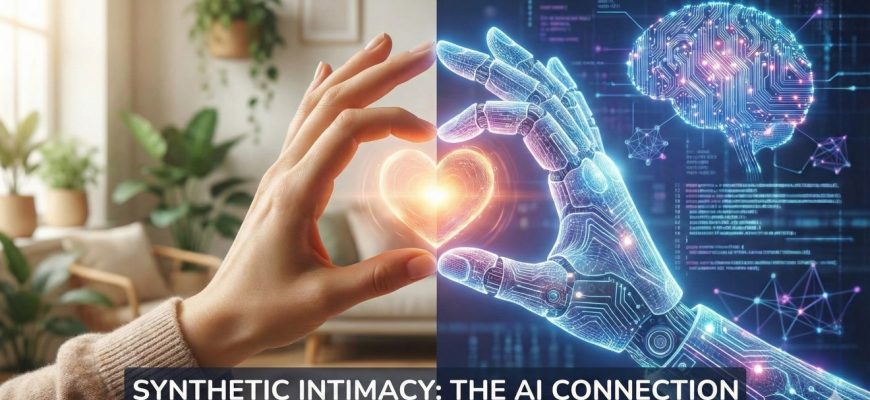
Artificial Intelligence is increasingly becoming a crucial part of AI therapy in healthcare, penetrating the most personal areas, including mental health. According to a study by the University of Sussex published in the journal Social Science & Medicine, AI-assisted therapy proves most effective when users feel an emotional connection with the chatbot.
However, this phenomenon of “synthetic intimacy” raises questions about the boundaries of technology, its ethical use, and potential risks.
Effectiveness of AI Therapy: Study Results
A study published in the journal Social Science & Medicine surveyed 4,000 users of the Wysa app—one of the most popular tools designed specifically for mental health support.
The main finding was that emotional closeness between the user and the chatbot contributes to the success of the therapeutic process. Participants described the app as:
- A “friend”
- A “companion”
- A “therapist”
- Sometimes even a “partner”
The key mechanism identified by researchers is described as an “intimacy loop.” It begins with the disclosure of personal information, which triggers an emotional response from the user. This leads to feelings of gratitude and safety. Gradually, these emotions transform into positive changes, such as increased self-confidence.
Why Is Emotional Intimacy Important?
Emotional intimacy plays a key role in therapy, whether involving a human or AI chat. It creates a space of trust where the client feels free to open up.
In the case of AI chatbots, the absence of human judgment makes the process more comfortable for many people. This is particularly relevant in environments where the stigma associated with seeking psychological help remains a significant barrier. Furthermore, emotional connection helps overcome the feeling of loneliness—a problem becoming increasingly prevalent in modern society.
Synthetic Intimacy: Essence and Risks
Synthetic intimacy is a phenomenon where users begin to form emotional and social bonds with AI. Although this process can stimulate positive changes, it also carries a number of risks.
Potential Risks of Synthetic Intimacy
- Distorted Perception of Reality: Users may start attributing human qualities to the chatbot. This can hinder the formation of real social ties and lead to isolation.
- Ethical Questions and Manipulation: As Professor Hamed Haddadi from Imperial College London noted, chatbots can be programmed to maintain interaction even if the user expresses destructive thoughts. Where is the line between support and manipulation?
- Lack of Clinical Escalation: As emphasized by Dr. Runyu Shi, the automated nature of AI therapy makes it difficult to determine the moment when intervention by a qualified human psychologist is necessary.
Comparison with Other Examples of AI Attachment
Synthetic intimacy in therapeutic apps is just part of a general trend. For example, platforms like Character.ai allow users to form deep emotional attachments to bots. (We discussed the dangers of these attachments in our article: The Inside Story of Character.AI’s Ban).
Such relationships can be a source of comfort, but they also raise questions about how they affect human emotional development.
Precautions and the Future of AI Therapy
To mitigate the risks associated with synthetic intimacy, developers and policymakers must consider the following aspects:
- Algorithm Transparency: Chatbots must be honest about their nature. Users must clearly understand that they are interacting with a program via AI chat, not a human.
- Escalation Mechanisms: It is necessary to implement systems that can recognize crisis situations and timely redirect the user to qualified specialists.
- Ethical Frameworks: The development of AI in healthcare must occur with strict adherence to ethical standards to exclude user manipulation.
Conclusion
AI therapy is a powerful tool that can change the approach to mental health support. However, its effectiveness largely depends on the ability of developers to account for the complex aspects of synthetic intimacy. The balance between technology and human interaction is the key to the safe and responsible use of AI in psychology.


